

The challenge was not to create a “classic event” landing page.
The objective was much more ambitious:
In this context, the landing page had to play a key role:
Selling a experiment, not just a program.
We designed this landing page as a immersive sales tool, structured around three major levers: artistic direction, emotional immersion and CRO.
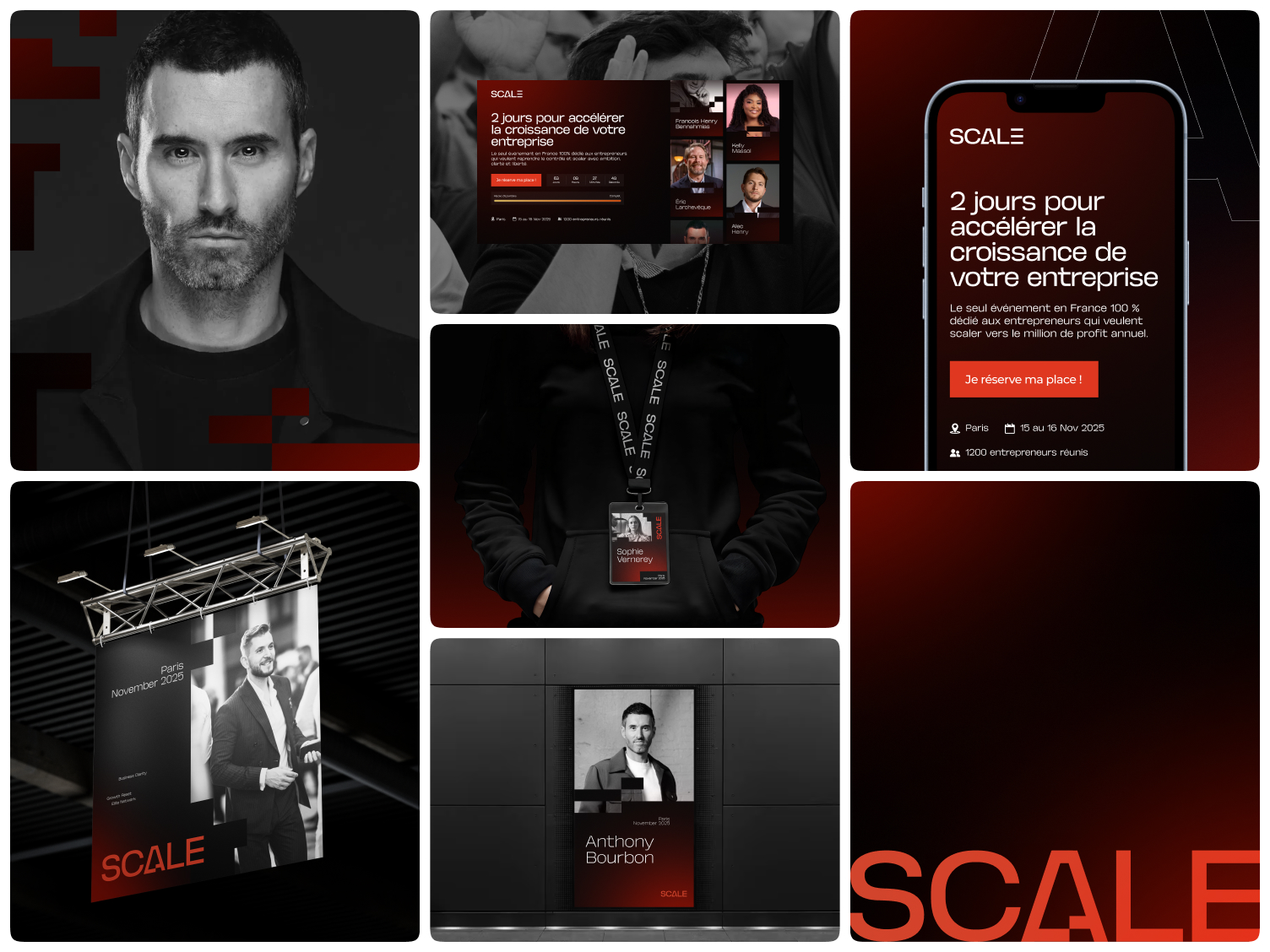
The DA was designed to be a strong marker from the very first seconds.
The objective was clear:
Position Scale Like a event with high perceived value, reserved for serious, ambitious entrepreneurs looking for a real change of scale.
We worked:
The artistic direction serves a strategic role here:
Filter the audience, reinforce desirability and establish a concept of exclusivity.

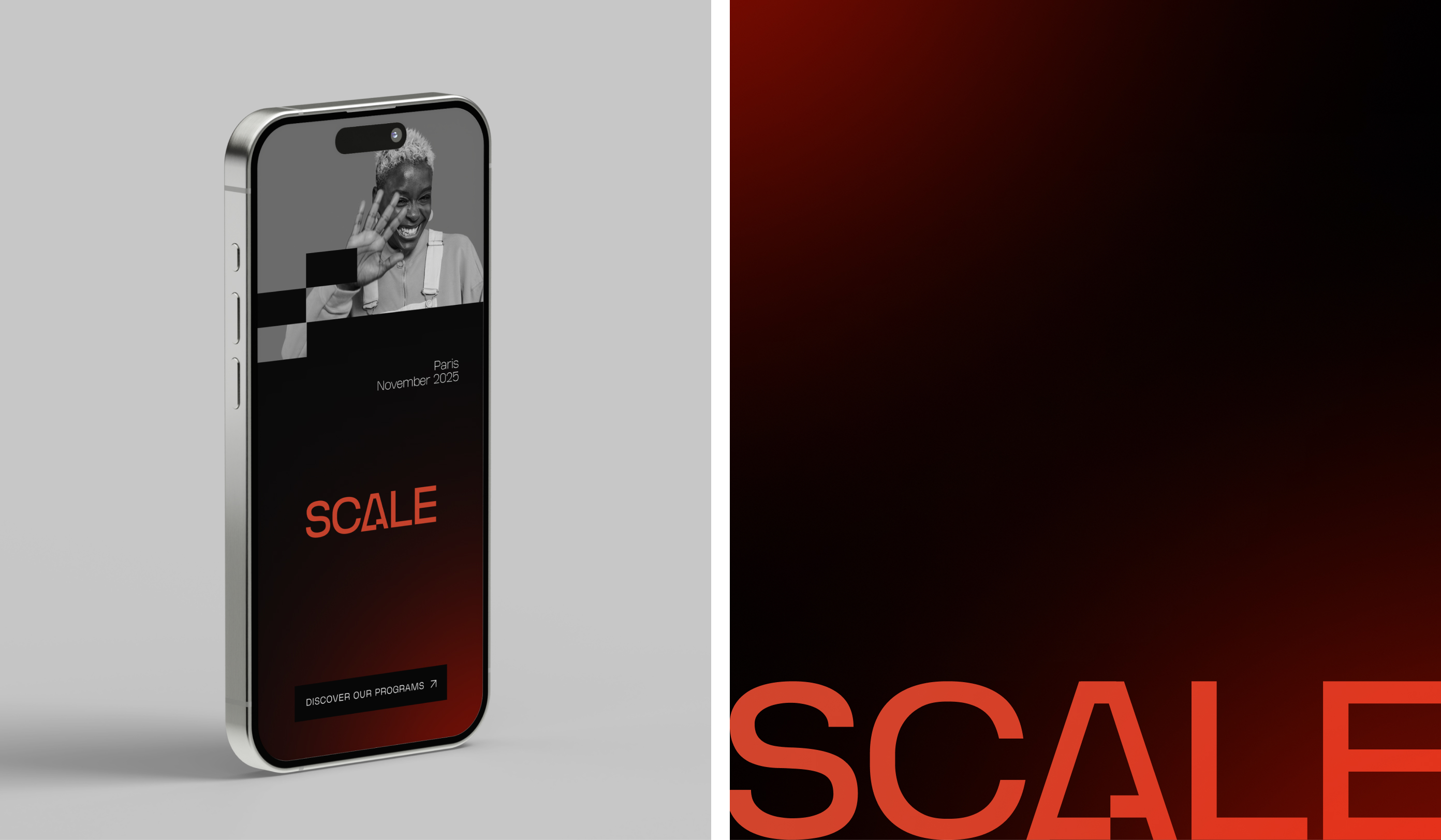

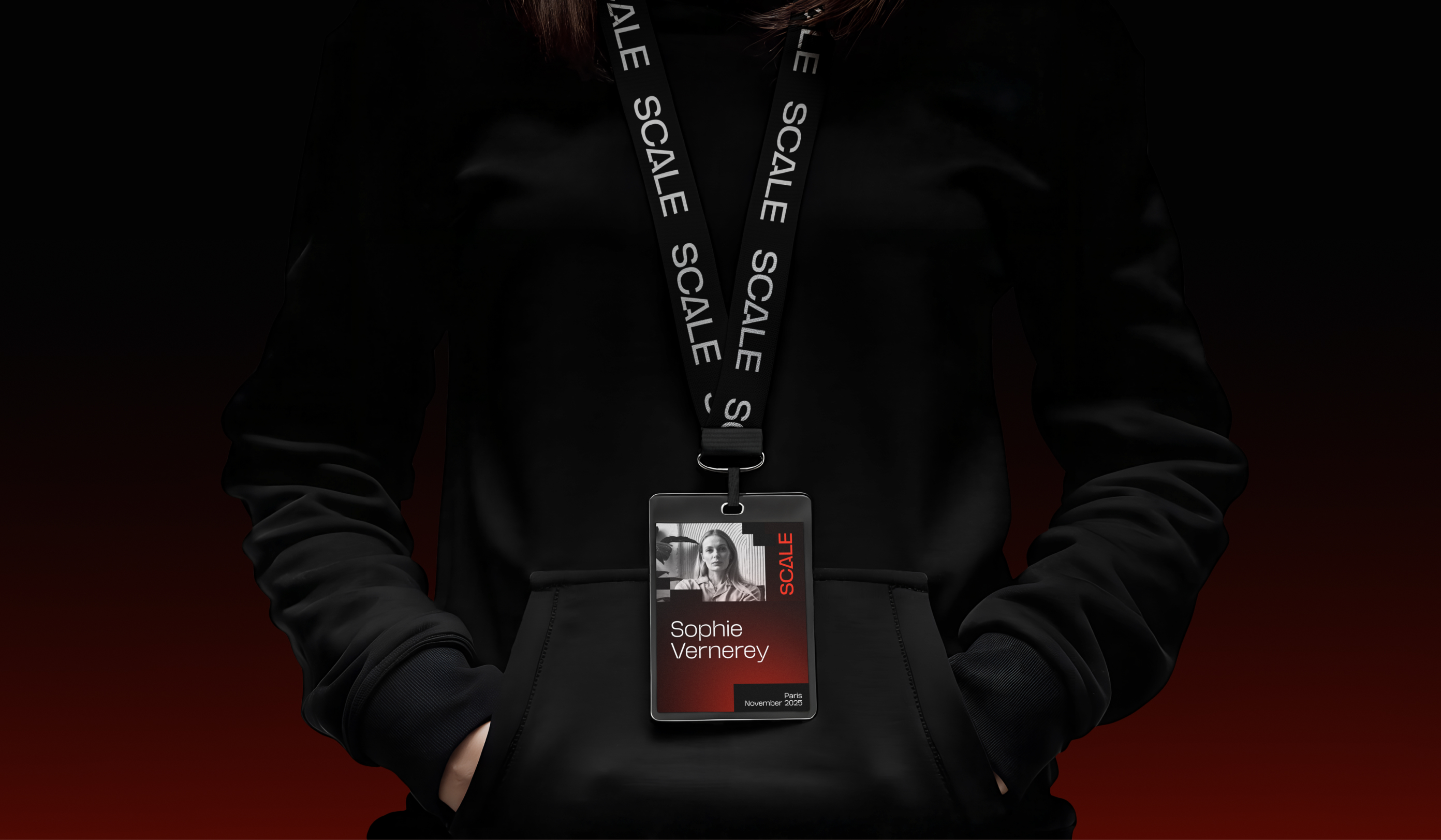
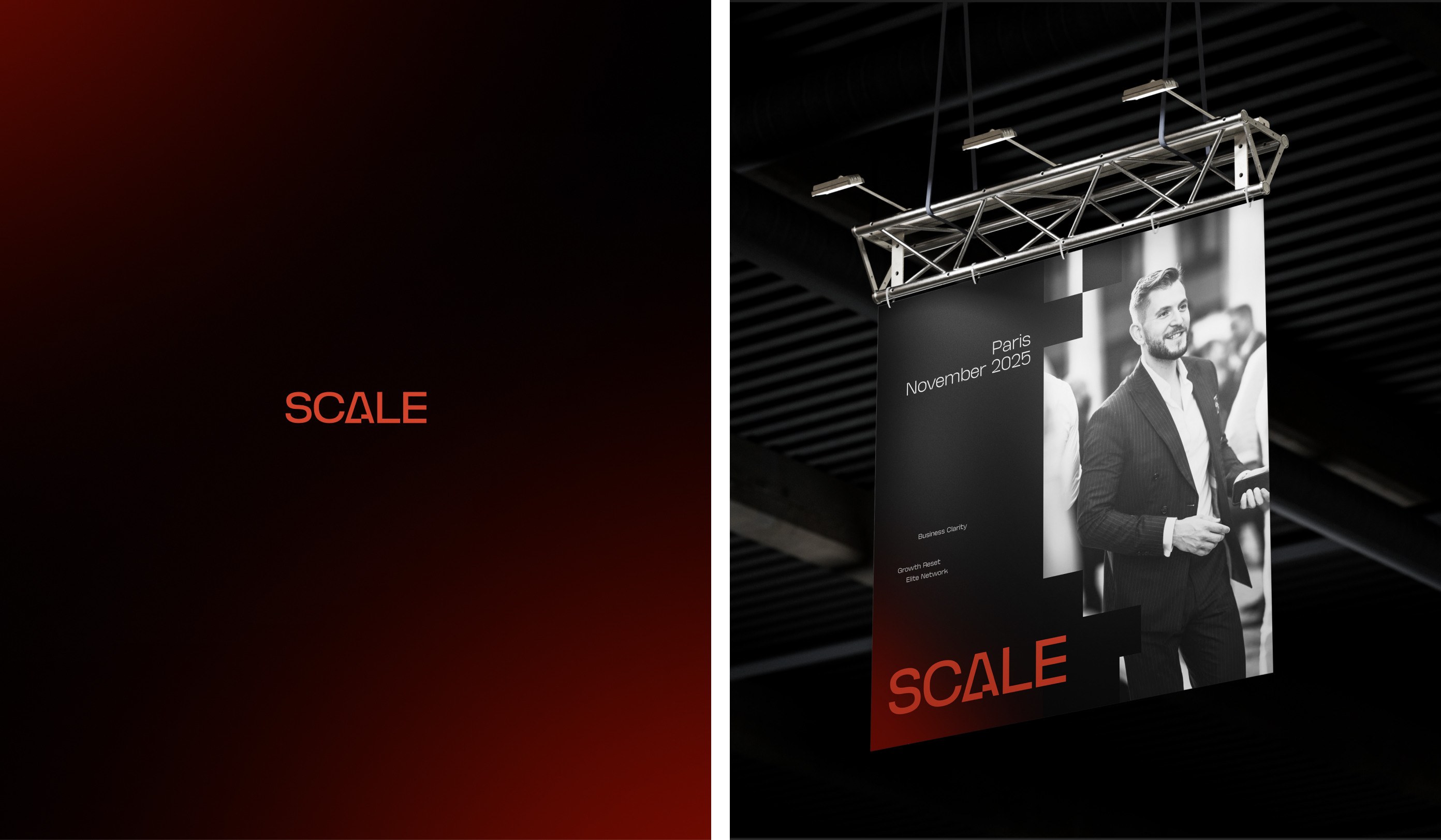
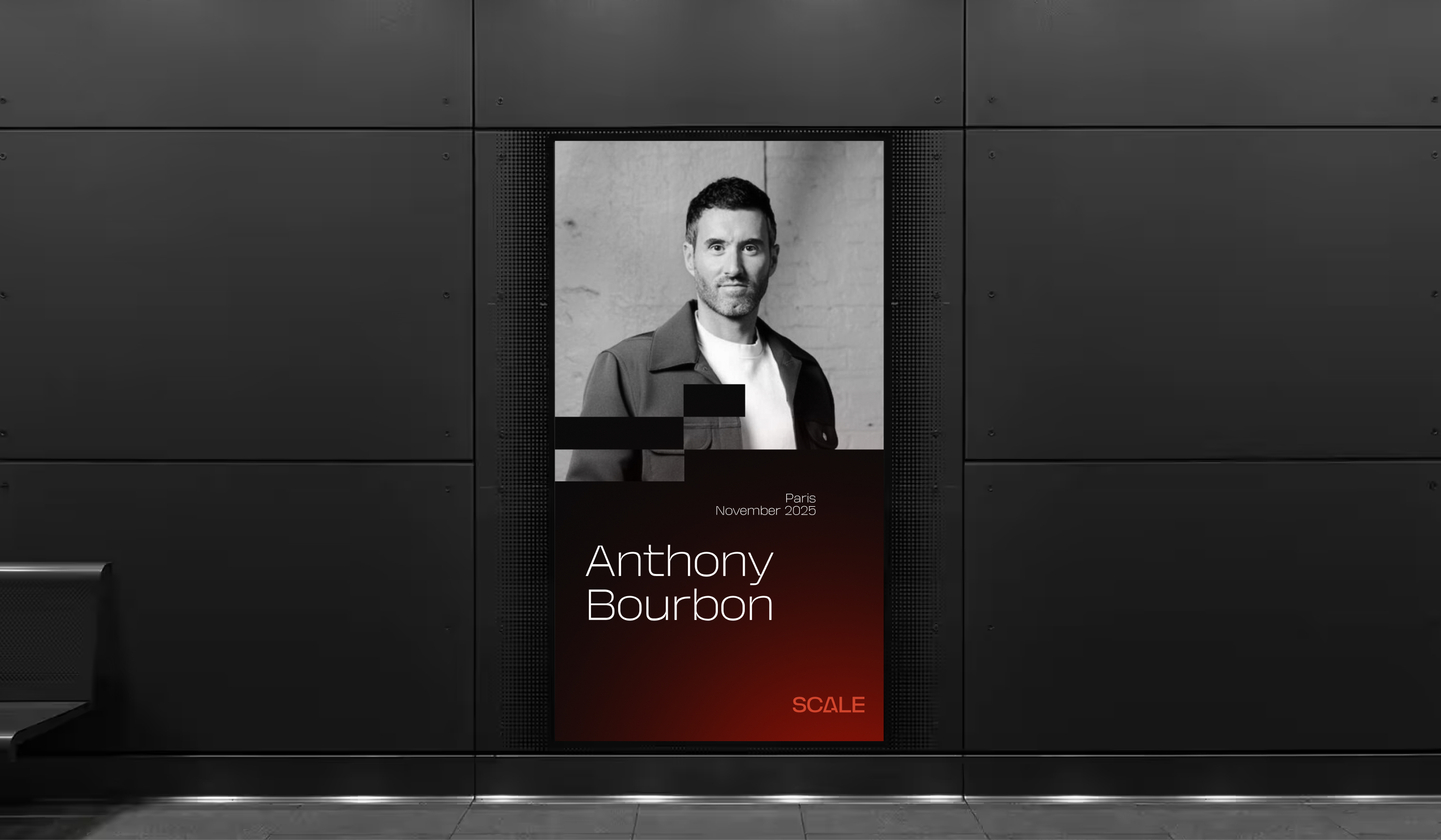
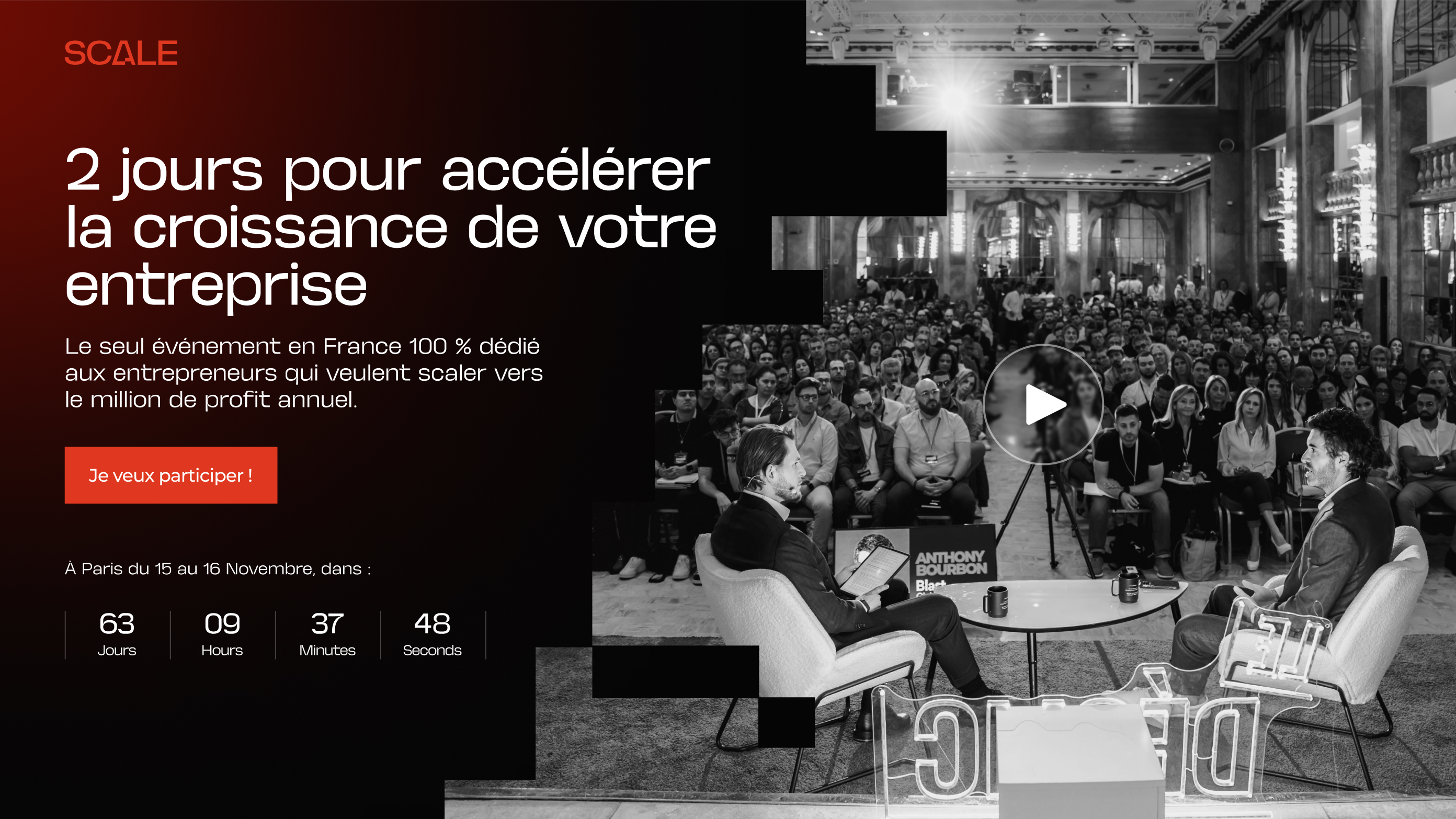
Beyond the design, the landing page was designed as a mental conditioning.
Each section tells a part of the experience:
The work on copywriting, the rhythm of the sections and the visual breaths makes it possible to:
The user does not “read” the page.
He has Vit.


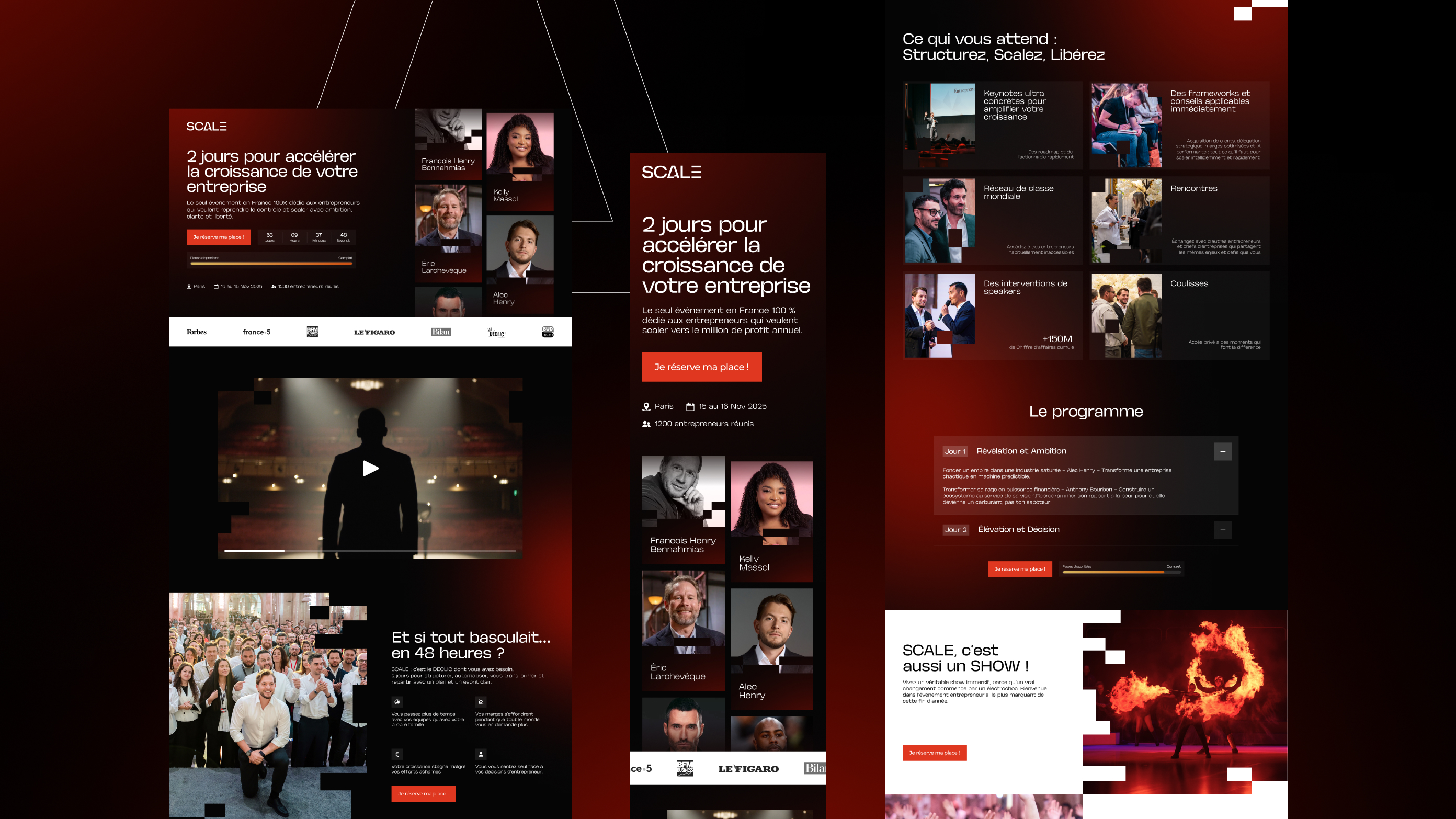
Performance was a central issue.
We structured the page around a clear CRO logic:
Each element was challenged with a simple question:
Does this section really bring the user closer to registering?
Result: a landing page that does not just inform, but who actively action-oriented.

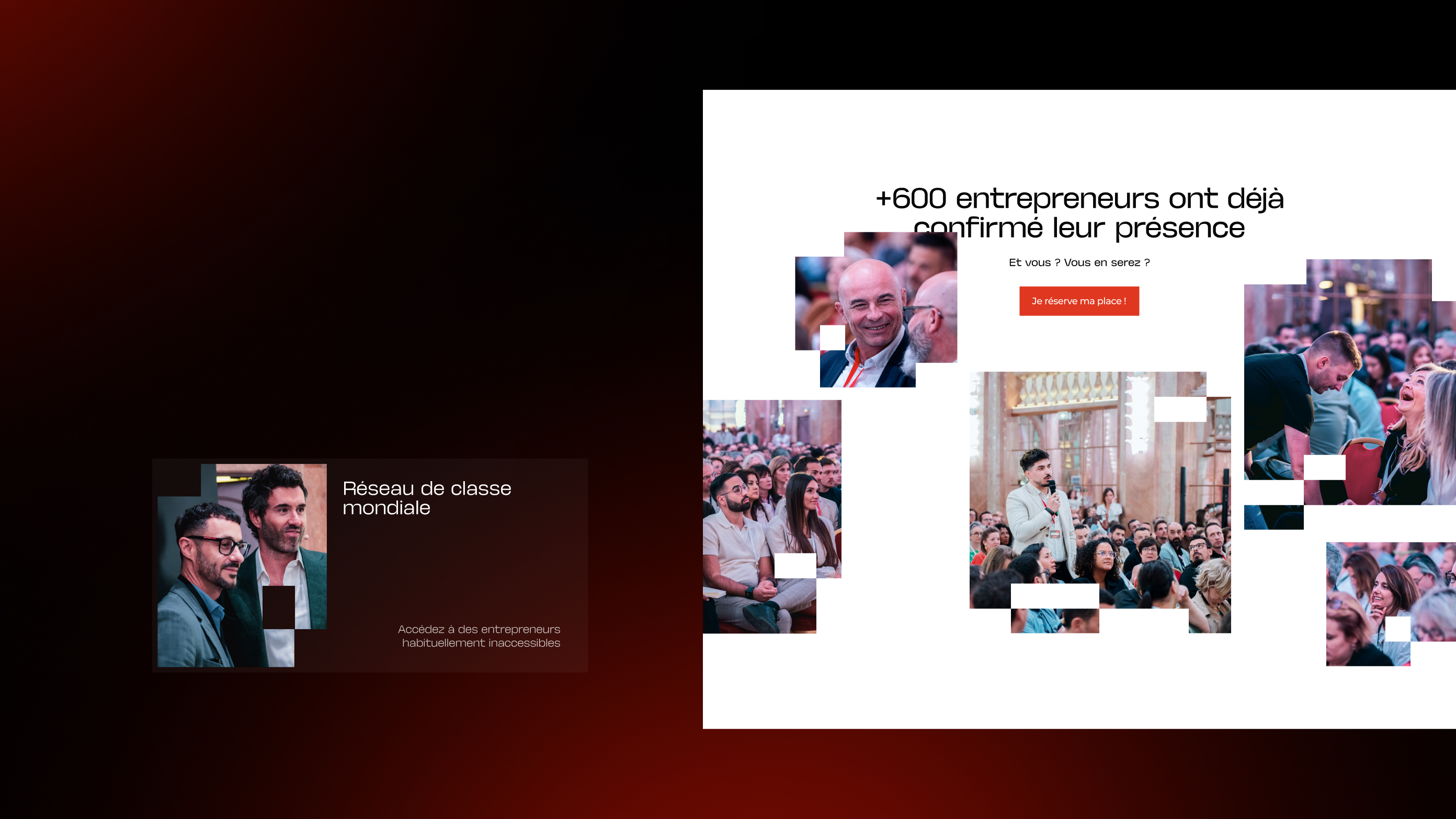
The page was developed using Webflow with particular care taken to:
The build also allows quick iterations: adjusting the message, pricing, sections or CTAs according to feedback and performance.
The Scale landing page acts like a Real conversion lever :
It's not just an event page.
It is a immersive sales tool, aligned with Scale's ambition.


The rich text element allows you to create and format headings, paragraphs, blockquotes, images, and video all in one place instead of having to add and format them individually. Just double-click and easily create content.

A rich text element can be used with static or dynamic content. For static content, just drop it into any page and begin editing. For dynamic content, add a rich text field to any collection and then connect a rich text element to that field in the settings panel. Voila!
Headings, paragraphs, blockquotes, figures, images, and figure captions can all be styled after a class is added to the rich text element using the "When inside of" nested selector system.