Webflow Development
A component system that gives the Growth team full ownership
Before the migration, every site change had to go through a ticket to the Product/Tech team. Delays. Back-and-forth. QA. Constant friction that slowed down campaigns and content publishing. The goal of the Webflow migration was to break that cycle fast.
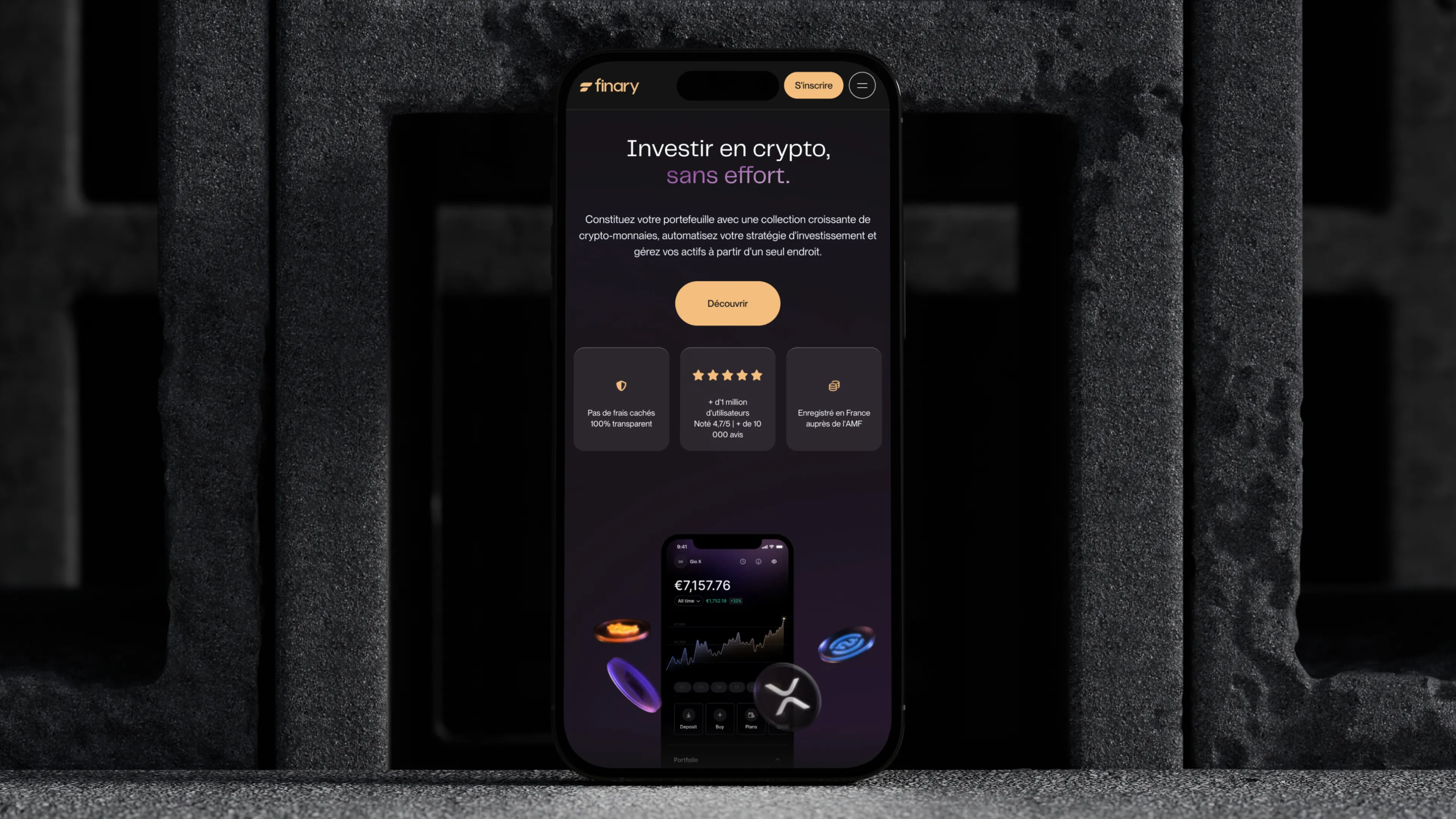
The first step was building a complete style guide in Webflow: typography, colors, buttons, forms, icons — the entire Finary design system rebuilt as native components. A stable foundation that keeps the visual experience consistent across the whole site, no matter who’s publishing.
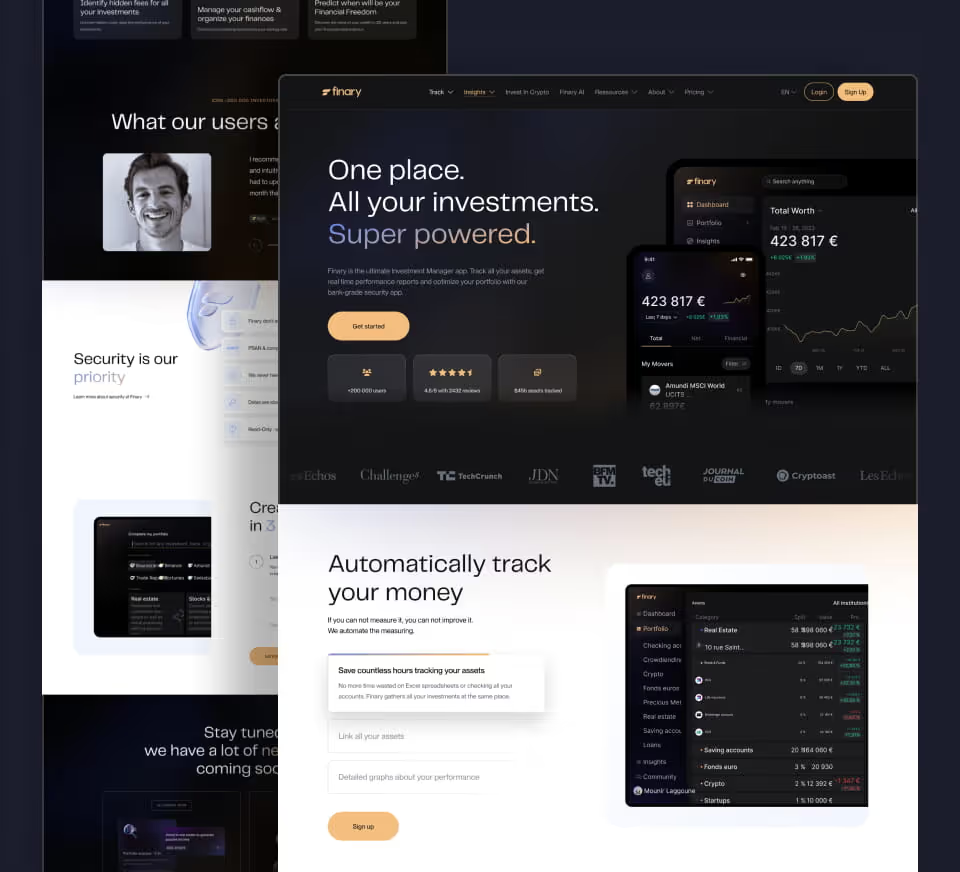
Next came the migration of static pages in business priority order: homepage, product pages (Finary Plus, Finary Pro, Crypto, Budget, Platform…), pricing pages.
Deadline set. Deadline met. With a sharp focus on responsive behavior and SEO best practices from day one.
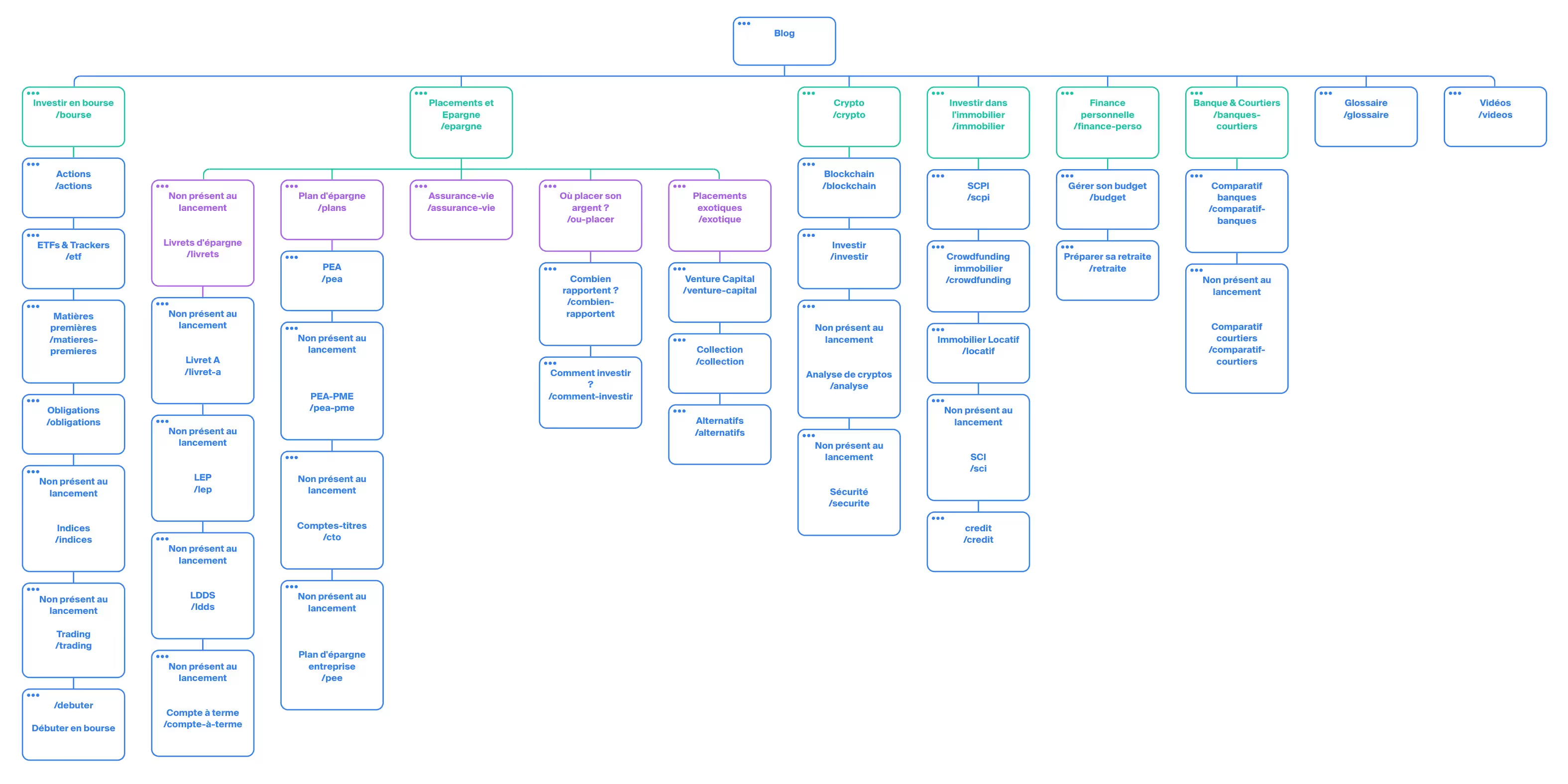
The most complex part was migrating the editorial content. Finary ran on several separate platforms to manage its Blog, Product Updates, Changelog, Glossary, and Videos. Everything moved into Webflow CMS.
The collection architecture was designed to reflect the depth of the editorial catalog: categories, subcategories, authors, tags. A structure that lets the team publish independently without ever breaking site consistency.
For blog pagination (several hundred articles), we used Finsweet CMS Load with paginated URL generation (/blog/epargne?page=2, /blog/bourse?page=3…) — a necessary implementation so Google could crawl and index every article properly.
The site is multilingual (FR/EN), structured in subfolders (/fr/, /en/) with automatic routing based on the user's browser language.
| Tech Stack | Use |
|---|
| Webflow | Build, CMS, hosting |
| Client-First | Project naming and organization |
| Finsweet CMS Load | Pagination with indexable URLs |
| Wized | Advanced functionality |
| Make | Workflow automation |
| Figma | Source design |











.webp)
.webp)
.webp)
.webp)
.webp)
.webp)
.webp)
.webp)
.webp)

.webp)