Projects
 Our Offers
 Dedicated team
 Blog
 Academy
 About Us
Tips7 min read
How can a plumber improve local visibility with their website?
The website should clearly present the services the plumber genuinely provides. A well-built service page can answer a precise local search and reassure visitors before they call.
Align the website with Google Business Profile
The business name, phone number, opening hours, service area and categories must be consistent. The Google listing and the website should describe the same activity.
Use local projects as proof
Contextualised jobs or projects can demonstrate a genuine presence in the area. Customer privacy must be respected, and precise addresses should never be published without permission.
Create local pages only when they contain real value
A dedicated city page can be useful if the company genuinely works there and can provide specific references, response times, service areas or local constraints. Simply replacing the city name adds very little value.
- identify the visitor's main question;
- provide a direct answer;
- show proof related to that answer;
- offer an action that matches the level of intent.
Collect and showcase authentic reviews
Reviews play an important role in local decision-making. They should be collected regularly and never fabricated.
Measure calls generated by local visibility
Calls, direction requests, clicks from Google and forms by area help determine whether local visibility is actually turning into relevant enquiries.
Build a credible service area
A plumber does not need to display an endless list of towns to prove they work locally. A clear service area backed by real proof is more credible. The website can specify the areas covered, typical response times by area and the types of work available. If a location is farther away or subject to specific conditions, it is better to say so than let the prospect discover the limitation on the phone.
Local pages can be useful for strategic areas, but they need more than a city-name swap. Projects, housing types, access constraints, availability and customer feedback can give the page genuine local substance.
Turn completed jobs into local proof
A completed job can be used as proof without revealing private information. A before-and-after photo, a description of the problem, the solution provided and the town are often enough to demonstrate the professional's experience. This content reassures prospects and also gives the website more material to answer precise searches.
It is particularly useful to connect a project to the relevant service page. A water-heater replacement naturally strengthens the water-heater page, while a leak detection job can support an emergency repair page. Internal linking then becomes useful to visitors instead of being added only for SEO.
Checklist for strengthening local visibility
- Define precisely the towns and areas genuinely served.
- Keep the same contact details on the website and local profiles.
- Publish contextualised examples of work by service and area.
- Avoid duplicated or overly generic city pages.
- Track calls and quote requests generated by the main local pages.
Start with the area the business genuinely covers
A plumber's local visibility should reflect the operational reality of the business. There is little value in trying to rank in towns where travel is not profitable or where the team rarely works. The process therefore starts with a simple map of priority areas: the main town, neighbouring towns regularly covered and any secondary areas.
This information should be visible on the website. It reassures prospects and avoids unnecessary calls. When availability depends on distance or the type of service, it is better to explain this than present an artificially broad service area.
Create local pages only when the content is genuinely specific
A “plumber + city” page can be useful if the company genuinely works in the area and has information specific to it. Examples of jobs, typical response times, housing types, access difficulties or particularly common services can enrich the page.
By contrast, creating twenty identical pages where only the city name changes produces thin, repetitive content. The website should avoid this industrial approach and prioritise a smaller number of genuinely useful local pages.
Connect services with local intent
Location should not be separated from the services themselves. Prospects often search for a precise combination: a plumber for a leak, drain unblocking, a water heater or renovation in their town. Service pages should therefore specify the area covered, while local pages can highlight the most relevant services.
A web agency for plumbers can structure this internal linking around real needs: a local project example links to the relevant service, while a service page can showcase work completed in several covered towns. The links then serve a genuine purpose in the user journey.
Optimise Google Business Profile without neglecting the website
Google Business Profile plays a central role, but it does not replace the website. It should contain the right contact details, opening hours, relevant categories, photos and essential information.
The website can go much further: detailed services, proof, projects, service conditions and forms. The listing attracts attention, while the website turns that visibility into a call or quote request. We explain in more detail how to generate more calls and quote requests through a plumber website.
Maintain perfect consistency in contact details
The business name, phone number and address should be consistent across the website, the Google listing and important directories. Major discrepancies can create confusion for users.
This consistency is particularly important after a move, a phone-number change or updated opening hours. Old profiles and outdated information should be corrected progressively.
Collect reviews that genuinely reflect the services provided
Reviews can strengthen visibility and trust, but they must come from real customers. Satisfied customers can be encouraged to leave feedback after a job without being told what to write.
Replies to reviews also matter. They show that the business follows customer feedback, thanks customers and addresses any difficulties.
Use completed projects as local signals
A project can demonstrate both expertise and geographic presence. A short description of the problem, the solution and the town is often enough to provide useful context.
Customer privacy still has to be respected. A precise address is rarely necessary. The city or local area is enough to provide credible local proof.
Optimise pages for mobile
Local plumbing searches are often made from a phone. The website should therefore provide immediate access to the phone number, service area and main services.
Heavy elements, pop-ups and overly long forms can slow down contact. Performance and simplicity on mobile should be treated as priorities, especially when trying to convert local plumbing emergencies through the website.
Track performance by area and service
Local visibility should be connected to concrete results. It is useful to track calls, forms and enquiries by page to understand which areas and services generate the best contacts.
A town that drives a lot of traffic but very few enquiries may be less valuable than a smaller area that consistently generates qualified quote requests.
Checklist for improving a plumber's local visibility
- Define the priority service areas.
- Keep the same contact details across the main platforms.
- Create local pages only when specific content is available.
- Connect services, projects and locations naturally.
- Optimise the Google Business Profile.
- Measure calls and quote requests by area.
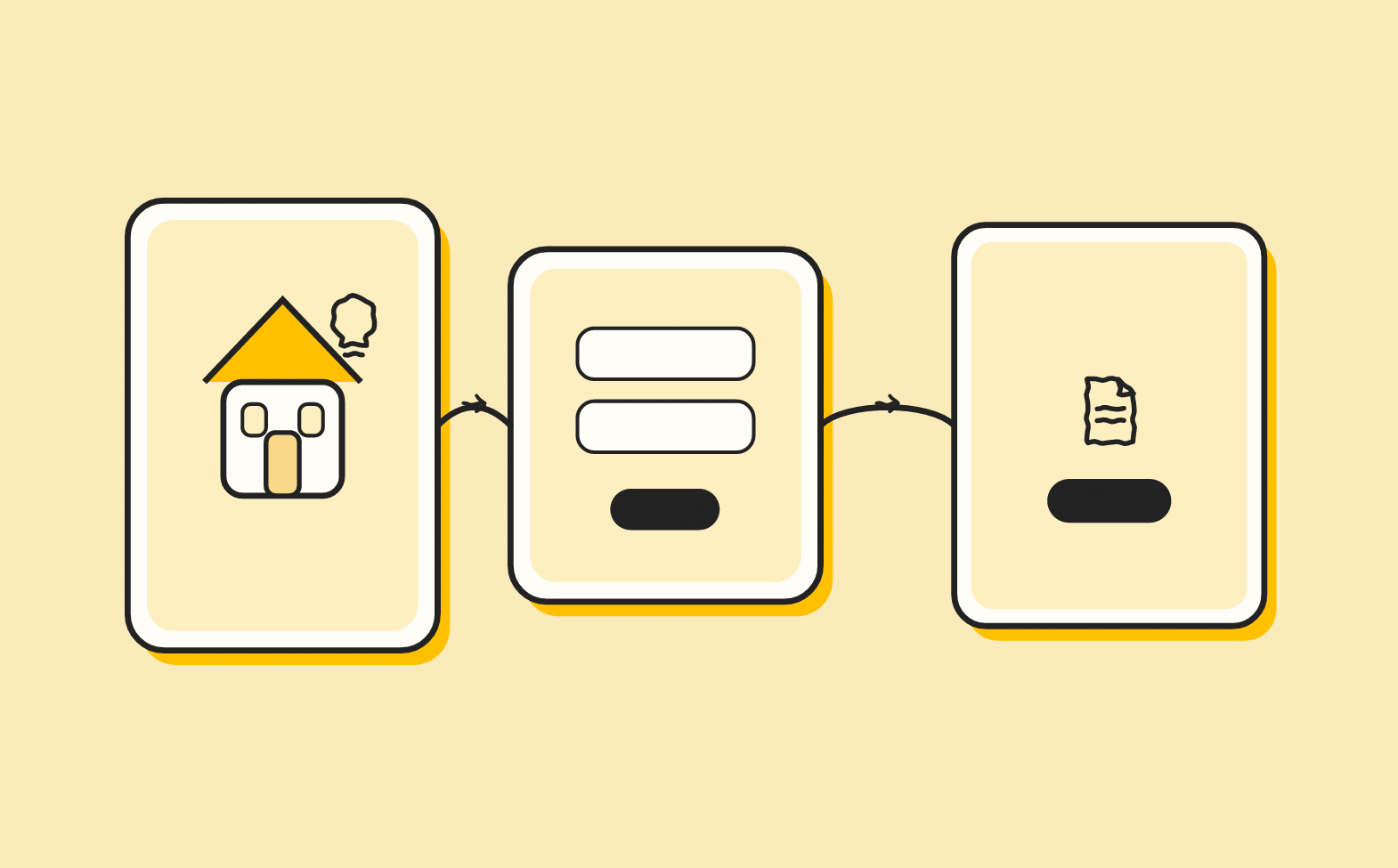
Which journey should be prioritised?
| Stage | Visitor question | Expected response |
|---|---|---|
| Discovery | Are you right for my need? | Clear offer and context |
| Reassurance | Can I trust you? | Proof, team and process |
| Action | What should I do now? | Simple, appropriate CTA |
Prioritise towns that genuinely generate enquiries
Not every covered area deserves the same editorial effort. Calls, quote requests and completed jobs help identify the towns that are commercially most valuable.
The website can then strengthen content and proof in those areas without creating a page for every town in the department.
Build a local proof system
A project, review or contextualised photo can show that the company genuinely works in an area.
A web agency for plumbers can organise this proof around the most in-demand services and strategic towns, without turning the website into a directory of locations.
Present response times by area
Response time can vary depending on distance, traffic or the team's schedule.
The website can provide cautious guidance or explain the factors that influence availability.
This transparency is more credible than making the same promise for every town.
Adapt local pages to real demand
Some towns generate more emergency-repair enquiries, while others may be more valuable for renovation or equipment replacement.
Local pages can reflect these differences when they are supported by real business activity.
This personalisation makes the content more useful and avoids cloned pages.
Connect reviews to areas and services
When a review mentions a service or area, it can be used close to the relevant content if the customer has given permission.
The prospect then sees more contextual proof than a simple overall rating.
Reviews must remain authentic and should never be rewritten to insert keywords artificially.
Plan for changes to the service area
A business may expand or reduce its geographic coverage over time.
The website should be easy enough to update so that local pages never stop reflecting operational reality.
This maintenance matters for trust as much as for the quality of local SEO.
FAQ
How can a plumber appear more often in local searches?
They should combine a complete Google Business Profile with a website that is consistent with that listing, detailed service pages, local proof and precise information about the service area. Consistent information and high-quality pages matter more than artificially multiplying the number of towns targeted.
Should an SEO page be created for every town served?
No. A city page is only useful if the company can produce genuinely specific content and if the area has real commercial value. Near-identical pages mainly create repetition. It is better to prioritise important towns and enrich each page with local proof.
Which local details should a plumber website display?
The service area, main towns covered, opening hours, services provided and contextualised examples of work are particularly useful. Contact details should also match those on Google Business Profile.
Do customer reviews help a plumber's local SEO?
They contribute to trust and to the quality of the local profile. They must be authentic and come from real customers. Replying to reviews also shows that the company is active and attentive to service quality.
How can projects support local SEO?
A project can mention the town, the type of problem and the solution provided without revealing a precise address. It can then be linked to the corresponding service page and, when relevant, to a local page.
How do you know which towns deserve more SEO effort?
Visibility data should be compared with commercial results: calls, quote requests, conversion rates and project value. An area that consistently generates qualified enquiries generally deserves more content and proof than a town that only generates traffic.