Projects
 Our Offers
 Dedicated team
 Blog
 Academy
 About Us
Design8 min read
Brand Guidelines: Definition, Elements, and How to Create Them in 2026
Brand guidelines are the reference document that sets the rules for using a brand's visual identity. They specify how to use the logo, colors, typography, iconography, and layout principles across different materials. Their goal isn't to freeze creativity, but to provide a clear enough framework so that any team or provider can produce consistent materials without reinterpreting the brand on every project.
What Are Brand Guidelines?
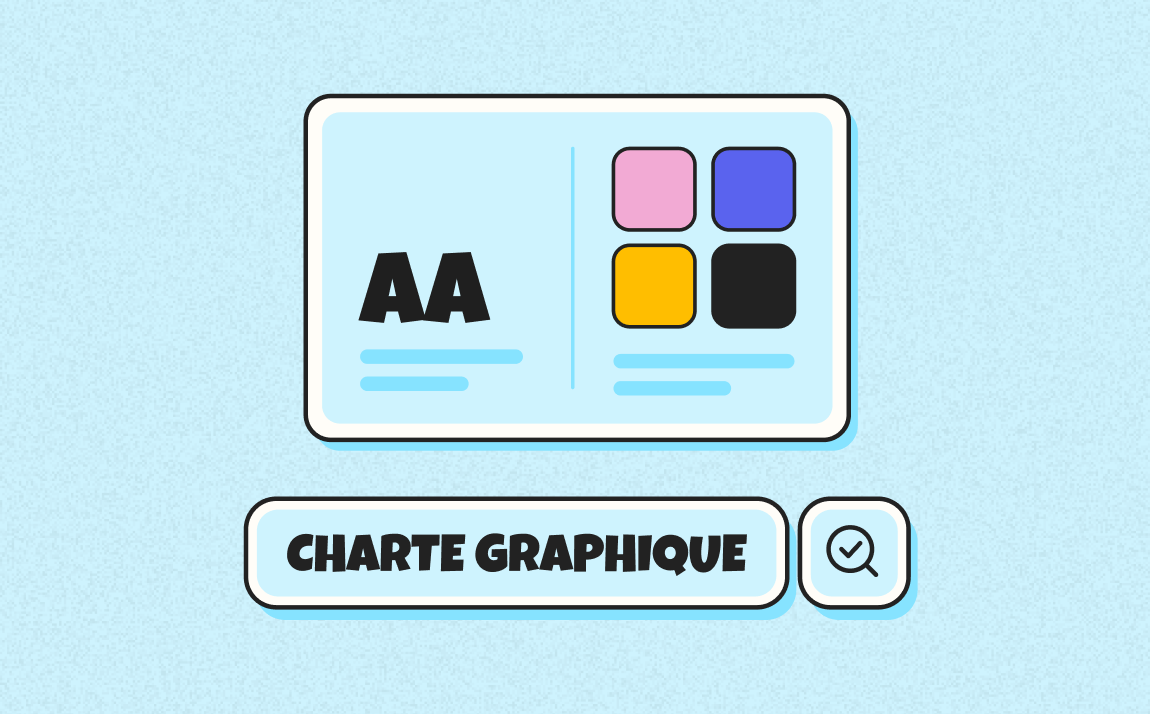
Brand guidelines are a documented set of rules that explain how to use a brand's visual components. They serve as a reference for marketing teams, designers, developers, sales teams, partners, and external providers.
In practice, they answer operational questions: which logo version should be used on a dark background? Which color is reserved for calls to action? Which typeface should be used for a heading? How much space should be kept around the logo? How should a photograph, illustration, or icon be treated?
Good brand guidelines aren't limited to presenting a color palette and a few fonts. They describe approved uses, uses to avoid, and the rules needed to reproduce the identity consistently. At Gemeos, brand guidelines act as a deployment tool for a brand identity once it has been created. They should make it possible to move from an approved creative direction to a system that can be used on a website, a sales deck, a campaign, social media, or printed materials.
What Are Brand Guidelines For?
The primary function of brand guidelines is to reduce repetitive decisions. Without shared rules, every new piece of material requires re-deciding colors, sizes, spacing, or visual treatments. As the company grows, these small decisions quickly produce inconsistencies.
Well-designed brand guidelines help you:
- speed up the production of new materials;
- make it easier to onboard a designer, an agency, or a new team member;
- avoid logo distortions and inconsistent color combinations;
- maintain continuity between the website, social media, presentations, and print;
- provide enough rules to produce work without requiring creative approval on every deliverable.
The right test, then, isn't ‘does the PDF look good?’ but ‘can someone discovering the brand for the first time produce accurate materials without guesswork?’
Brand Guidelines, Visual Identity, Logo: What's the Difference?
The logo is a distinctive mark of the brand. It's only one part of the visual system.
Visual identity encompasses all the graphic codes that make a brand recognizable: logo, colors, typography, shapes, iconography, photography, illustrations, and compositions.
Brand guidelines document these elements and set the rules for using them. They turn a visual identity into a system that can be handed off to others.
A company can have a logo without having a sufficiently built-out visual identity. It can also have a coherent identity that exists only in its designer's head, but run into problems as soon as other people start producing materials. Brand guidelines make the system explicit.
When a logo needs to be created or redesigned, a logo design agency should anticipate its future conditions of use, not just design an isolated symbol.
What Should Brand Guidelines Include? The Essential Elements
The content depends on the brand's maturity and the number of materials to cover. A small business with a website, a LinkedIn page, and a few presentations doesn't have the same needs as an international company with multiple products, campaigns, and teams.
| Element | What it defines | Example rule |
|---|---|---|
| Logo | Versions, clear space, minimum sizes, and prohibited uses | Never stretch the logo |
| Colors | Palette and color codes | Use HEX/RGB for digital and CMYK for print as needed |
| Typography | Font families, weights, hierarchy, and uses | Define heading and body fonts |
| Layout | Grids, spacing, alignment, and rhythm | Keep margins consistent |
| Iconography | Style, weight, and shapes | Don't mix multiple icon families |
| Photography | Framing, lighting, treatment, and subjects | Apply a consistent treatment |
| Illustration | Style, palette, and composition | Define allowed shapes and levels of detail |
| Digital | Components, contrast, and behaviors | Set rules for button, link, and state colors |
| Formats and variations | Plan adaptations for printing |
The Logo and Its Variants
Brand guidelines should show the primary logo, its relevant variants, and the contexts in which each can be used. Horizontal, vertical, monochrome, or compact versions are only useful if they address real use cases.
You should also document the clear space, minimum size, and main prohibited uses. A perfectly designed logo can lose all consistency if it's squeezed, recolored, or placed on a background that makes it illegible.
The Color Palette
A usable palette distinguishes between primary, secondary, and neutral colors. Codes should be provided in the formats the company needs, for example HEX and RGB for digital, plus CMYK when printed materials are planned.
Above all, brand guidelines should explain how to combine colors. A simple list of references doesn't say which shade should dominate an interface, which one serves as an accent, or which combinations offer sufficient legibility.
Typography
Typographic choices should specify the font families, weights, styles, and their hierarchy. It's useful to indicate alternatives for when the primary font isn't available in certain internal tools.
For a digital brand, you also need to anticipate web performance, licensing, and legibility. A distinctive typeface that can't be deployed in everyday tools often ends up being replaced on an ad hoc basis.
Iconography, Photography, and Illustration
These elements are often under-documented even though they make up a large part of communication materials. Mature brand guidelines specify the photographic style, framing, image treatment, illustration type, icon family, and uses to avoid.
This is where a brand's visual consistency goes beyond the logo. Two posts can use the same logo and the same palette yet look like they come from different brands if their images and compositions follow no common rules.
Digital Rules
Brand guidelines designed purely as a print PDF quickly become insufficient for a brand whose interactions mostly happen online. Teams need to be able to translate the identity into interfaces, landing pages, newsletters, presentations, and social media.
Depending on the project, this can lead to supplementing the guidelines with a UI kit or a design system. The brand guidelines then define the brand principles, while the interface system formalizes the components and behaviors needed for the product or website.
How to Create Brand Guidelines? A 5-Step Method
Relevant brand guidelines are built from the brand's actual use cases, not from a generic template. At Gemeos, the approach starts from the positioning and real constraints before formalizing the visual system.
1. Define the Brand and Its Use Cases
Start by listing the audiences, the positioning, the current materials, and those planned for the coming months. Also identify who will use the guidelines. An autonomous marketing team doesn't have the same needs as a founder who outsources all production.
This scoping work avoids documenting unnecessary rules or overlooking everyday cases that would later force teams to improvise.
2. Build the Visual Direction
Art direction work translates the positioning into consistent visual choices. Moodboards, references, graphic territories, and early principles allow for exploration before the rules are locked in.
This phase needs to be open enough to compare several directions, then decisive enough to build a recognizable system. Brand guidelines can't make up for an indecisive art direction.
3. Design and Test the System
The logo, palette, typography, shapes, images, and components need to be tested on real materials. A color can work well in a moodboard and cause problems on a button. A typeface can look elegant in a headline and become hard to read in a dense presentation.
Testing early on a website, a social post, a sales slide, or an internal document helps catch these limitations before the final documentation is produced.
4. Formalize the Rules and Counter-Examples
For each component, specify what's expected, what's tolerated, and what's prohibited. Counter-examples make the rules understandable without requiring a designer's vocabulary.
The documentation should stay proportionate. A rule that doesn't change any decision can be removed. Conversely, a frequent case that generates errors deserves an explicit rule.
5. Organize Rollout and Governance
Brand guidelines are only useful if they're accessible. Define where the source files are located, who can modify them, where to get the latest versions, and who makes the call when a new need isn't covered.
For teams that produce a lot of content, Figma, Canva, Slides, or PowerPoint templates can be more operational than a standalone PDF. The reference document explains the rule; the template speeds up applying it.
Examples of Successful Brand Guidelines
The best brand guidelines aren't necessarily the longest. They're the ones that properly cover the situations the brand actually encounters.
For a B2B company, useful brand guidelines need to work across the website, sales decks, LinkedIn content, white papers, and events. For a SaaS company, you also need to think about how the brand connects with the product interface.
One concrete example at Gemeos is the work done for Fenoma. The project brings together a logotype, palette, typography, usage rules, and digital variations within a restrained, editorial art direction. The point isn't to pile up graphic elements, but to build a language distinctive enough to stay consistent across communications and the website.
To evaluate a set of brand guidelines, check whether the hierarchy is clear, whether the rules cover concrete use cases, whether the necessary files are identified, and whether an outside person can apply the brand without mechanically copying a mockup.
How Much Do Brand Guidelines Cost?
The budget mainly depends on what the term ‘brand guidelines’ covers in the quote. A document that formalizes an already-existing logo isn't the same amount of work as a complete identity that includes strategy, art direction, logo creation, and variations.
Market studies published in 2026 show significant differences between a mini guide, professional brand guidelines, and a full branding project. To compare two proposals, first check the scope: whether the identity already exists or needs to be created, the number of iterations, the elements documented, the materials to adapt, source files, usage rights, and support with rollout.
A lower quote can be a good fit for a simple need. It becomes less worthwhile if it forces the company to rebuild the rules a few months later because digital uses, templates, or variations weren't anticipated.
Mistakes to Avoid With Your Brand Guidelines
Documenting an Identity That Isn't Settled Yet
Formalizing too early turns creative hesitation into fixed rules. It's better to validate the system on several real cases before producing the final documentation.
Confusing Brand Guidelines With a Brand Book
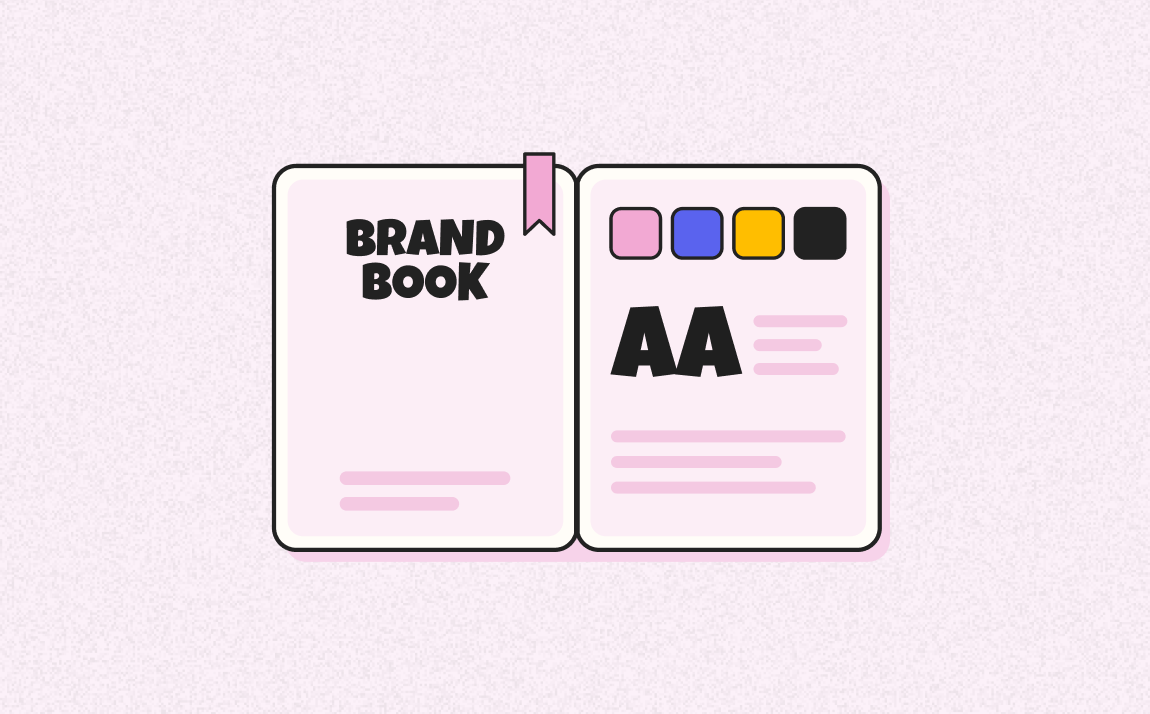
Brand guidelines mainly cover visual expression and its rules of use. A brand book can cover a broader scope: brand platform, mission, values, personality, messaging, tone of voice, and editorial principles. The two can be combined, but their respective functions should stay clear.
Creating a Document That's Impossible to Use Day to Day
A fifty-page guide isn't automatically better than a fifteen-page one. If the essential rules are hard to find or the files aren't accessible, teams will eventually work around the document.
Overlooking Digital
An identity designed for a brochure cover can fail in an interface. Contrast, small sizes, responsiveness, component states, and content density need to be anticipated as soon as the web is one of the brand's main channels.
Not Planning for Any Evolution
A brand changes over time. New channels, products, and teams bring up cases the first version of the guidelines couldn't have anticipated. It's better to assign an owner and a simple update process than to treat the document as final.
FAQ
What's the Difference Between Brand Guidelines and Visual Identity?
Visual identity is the set of graphic elements that represent a brand. Brand guidelines are the document that explains how to use those elements consistently.
What Should Brand Guidelines Contain at a Minimum?
At a minimum, brand guidelines should document the logo's versions and usage rules, the color palette with its codes, the typography and its hierarchy, and a few layout principles. For a digital brand, it's worth adding rules for iconography, imagery, and the main web use cases.
What Budget Should You Plan for Brand Guidelines in 2026?
The budget depends on the scope: formalizing an existing identity, creating a complete visual system, the number of materials, templates, and support. Benchmarks published in 2026 show significant differences, which makes comparing deliverables more useful than looking at price alone.
Can You Create Brand Guidelines for Free or With a Template?
Yes, a template can help structure a mini guide when the identity already exists and the needs are simple. However, it replaces neither the thinking about positioning nor the testing needed to build a distinctive identity.
Who Should Use Brand Guidelines Within a Company?
Anyone who creates, commissions, or approves a visual asset should be able to refer to them. This includes marketing, communications, design, product, sales teams, developers, and external providers.
Brand guidelines become truly useful when they turn an identity into a system that multiple people can use, across multiple materials, over the long term. A branding agency can shape the identity, its art direction, and the rules needed to roll it out, without separating the brand from its digital uses.
Sources
Canva, Brand Guidelines: Inspiring Examples.
Sortlist, The Average Cost of Brand Guidelines, updated September 2026.